From First Visit to Regular: What Actually Brings Guests Back?
By Pop Reso
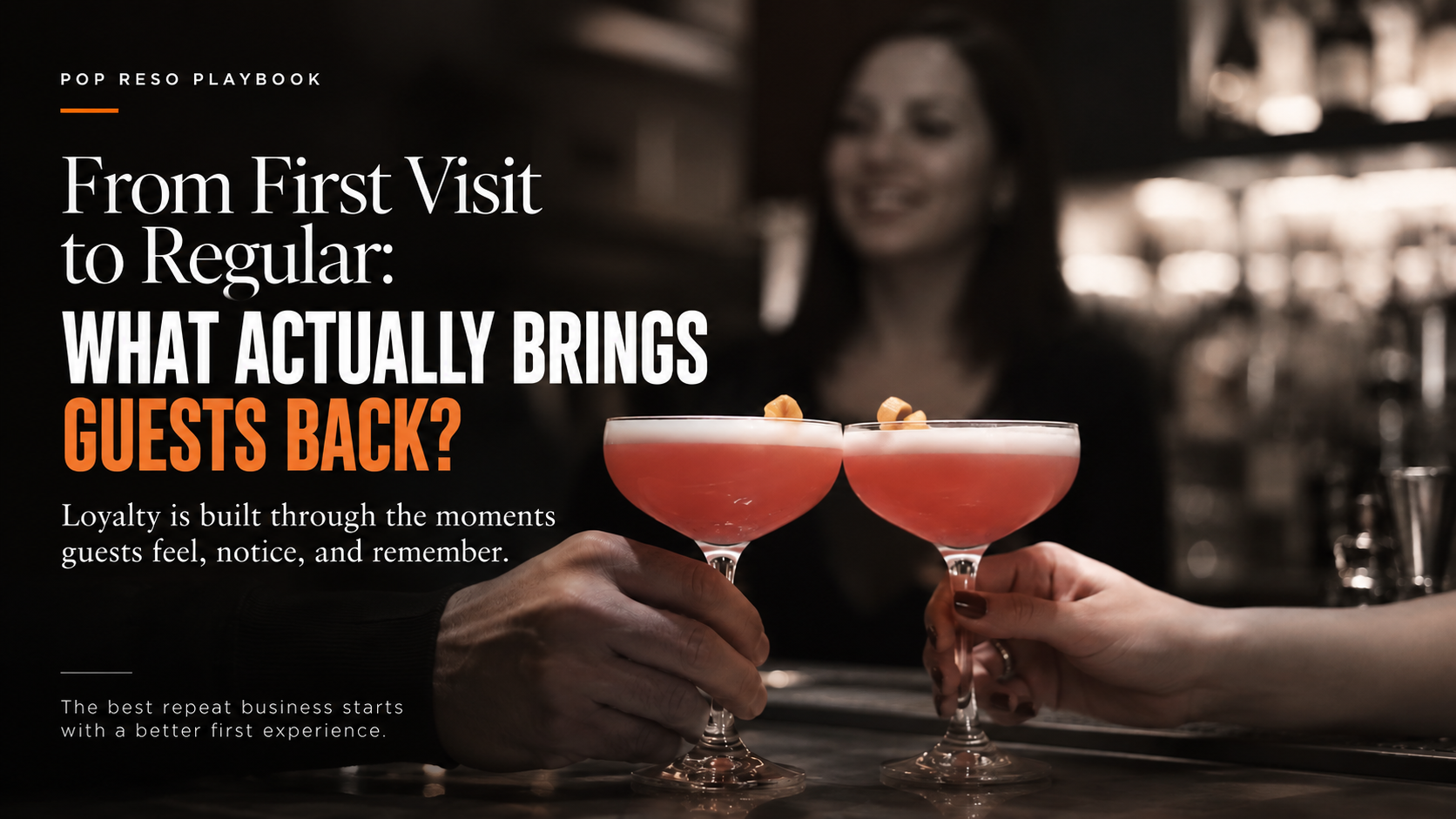
Getting someone through the door is one thing. Giving them a reason to return is where hospitality really begins.
A first visit can happen for almost any reason. Someone sees a photo of a chef feature, hears about a restaurant from a friend, notices the patio while walking by or simply decides to try somewhere new on a Friday night. What brings that guest back is usually something much harder to advertise: the way the room felt, the way they were greeted, the server who actually listened, the bartender who remembered what they were drinking, or simply the feeling that, for a couple of hours, they weren’t just occupying another table.
Restaurants spend a lot of time trying to attract new customers, and understandably so. Empty seats don’t pay the bills. But the long-term value of a restaurant is rarely built entirely on first-time visitors. It’s built on the people who come back. Regulars become part of the rhythm of a restaurant. They know the menu, recognize the staff, bring friends with them, celebrate birthdays there, stop in after work and recommend the place without being asked. Most of the time, that relationship doesn’t begin with a loyalty card. It begins with hospitality.
The Small Things Are Usually the Big Things
Great hospitality is often surprisingly subtle. A server remembering that someone prefers sparkling water, a bartender recognizing a guest and asking if they’d like the same drink as last time, or a manager stopping by the table without sounding like they’re working through a checklist can seem like small details, but they all tell the guest the same thing: we noticed you.
That feeling matters. In a world where so many transactions have become automated, restaurants still have the ability to create something deeply personal. A guest can order food almost anywhere, but what they can’t get everywhere is the feeling of being genuinely welcomed. The strongest hospitality teams understand that service isn’t just about speed and accuracy. It also requires awareness, knowing when a table wants conversation, when they want privacy, when a celebration deserves a little extra attention and how to handle a mistake in a way that actually strengthens the guest’s impression of the restaurant. Those are the moments people remember.
Familiarity Creates Trust
A memorable first visit may earn a second one, but consistency is what earns the tenth. Guests return to places they trust. They want to know that the dish they loved last month will still be good tonight, that the room will feel welcoming and that the experience will live up to what they remember.
That doesn’t mean a restaurant should never change. Menus evolve, staff change and new ideas come into the kitchen and behind the bar, but the standard should remain recognizable. There is comfort in knowing what kind of evening you’re going to have when you walk through a particular door. Eventually, that familiarity removes the decision-making process altogether. The guest no longer asks, “Where should we go?” They say, “Let’s go back there.”
Give Them Something New Without Losing What They Love
Regulars value familiarity, but they also appreciate discovery. A rotating chef feature, seasonal cocktail, wine tasting, live music night or limited menu item gives someone who already knows the restaurant a fresh reason to return. The best restaurants find a balance between the two: the guest can still order the dish they love or sit at the bar they know, but there is always the possibility of discovering something new.
Communication matters here as well. A guest may love your restaurant and still have no idea that the chef is doing something special tonight, the patio has opened, a tasting is happening this weekend or the bartender just launched a new cocktail list. You don’t need to constantly sell to regulars. You simply need to give them reasons to think about you again.
When Guests Become Part of the Room
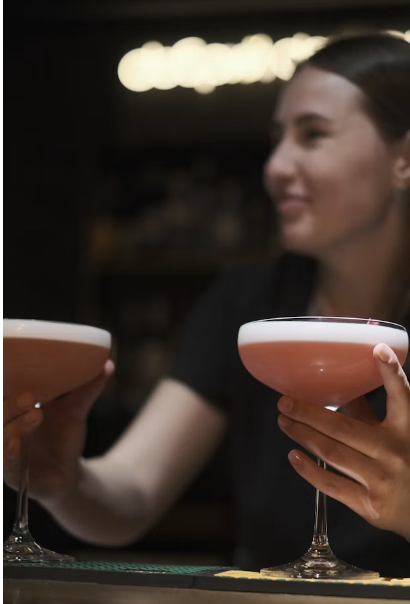
At some point, a regular stops feeling like a customer and starts feeling like part of the restaurant. They know the bartender, the server knows their name, they have a favourite table and they begin recognizing other guests. It’s difficult to manufacture that kind of belonging, but when it happens, it changes the atmosphere of a restaurant.
A dining room full of people who genuinely want to be there feels different.
There is energy in the room, conversations overlap and staff interact naturally with guests they know. New customers pick up on that feeling almost immediately. In that sense, regulars help create the very experience that brings other people back. That is one of the beautiful things about hospitality: the guest eventually becomes part of what makes the place special.
The First Visit Opens the Door
Marketing can introduce someone to a restaurant. A great photo can get their attention, a promotion can create urgency and a recommendation can convince them to give the place a try. Those things matter, but once they walk through the door, the relationship changes hands. From that point on, it’s about the food, the room, the service and the way the guest feels when they leave.
A first-time visitor represents an opportunity. A regular represents a relationship. For restaurants that want to build something lasting, those relationships may be the most valuable thing they have.